Stop all the clocks, cut off the telephone
Prevent the dog from barking with a juicy bone.
Silence the pianos and with muffled drum,
Bring out the coffin, let the mourners come.
Let aeroplanes circle moaning overhead
Scribbling on the sky the message: “He is dead.”
Put crêpe bows round the white necks of the public doves
Let the traffic policemen wear black cotton gloves.
He was my North, my South, my East and West,
My working week and my Sunday rest,
My noon, my midnight, my talk, my song;
I thought that love would last forever: I was wrong.
The stars are not wanted now: put out every one;
Pack up the moon and dismantle the sun;
Pour away the ocean and sweep up the wood
For nothing now can ever come to any good.
W. H. Auden, “funeral blues” (read by Tom Hiddleston)
Out of the grimy depths of my very first external hard drive, where old selves come to die and the native electronics are under constant threat of ceasing to function due to how old it all is, I find this recording of Tom Hiddleston reading one of my favorite poems. It’s been over a decade since I first discovered it on Tumblr and downloaded it for keeping. I’m not a fan of his omitting the word ever in the final line, but anyone can agree that his voice is gold and the delivery is positively heartwrenching. Like most people, I first heard the poem in Four Weddings and a Funeral, back when the bulk of my free time was spent bingeing on rom-coms. My recollection of the film is hazy at best, but I continued reading this poem so much that I had gone on memorizing it. While I find the notion of reciting out loud petrifying, something associated with the traumatic and need I say impromptu “Ako Si Pilo” recitals of childhood, I can still recite “Stop all the clocks” from memory should prompted, and be sure I will do so with endearment. I have encountered and loved many other poems and poets since, and this little Auden might be a bit mainstream and overused, but I consider it my gateway drug, opening a branch of literature that was once barred by my strict preference for the narrative prose.
I have been finding things like this recording that are, as far as my memory is concerned, supposed to have stopped existing or didn’t even exist at all.
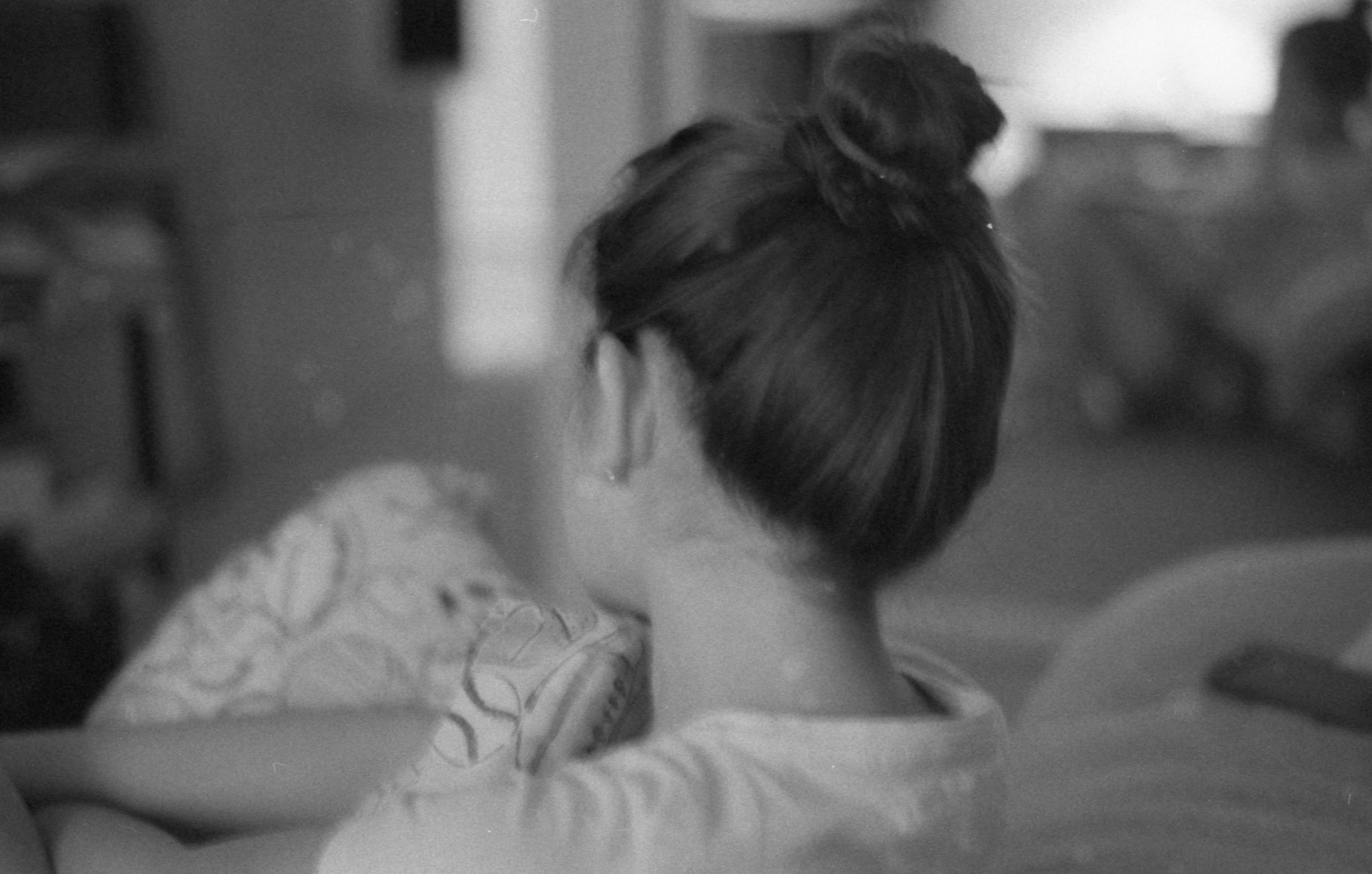
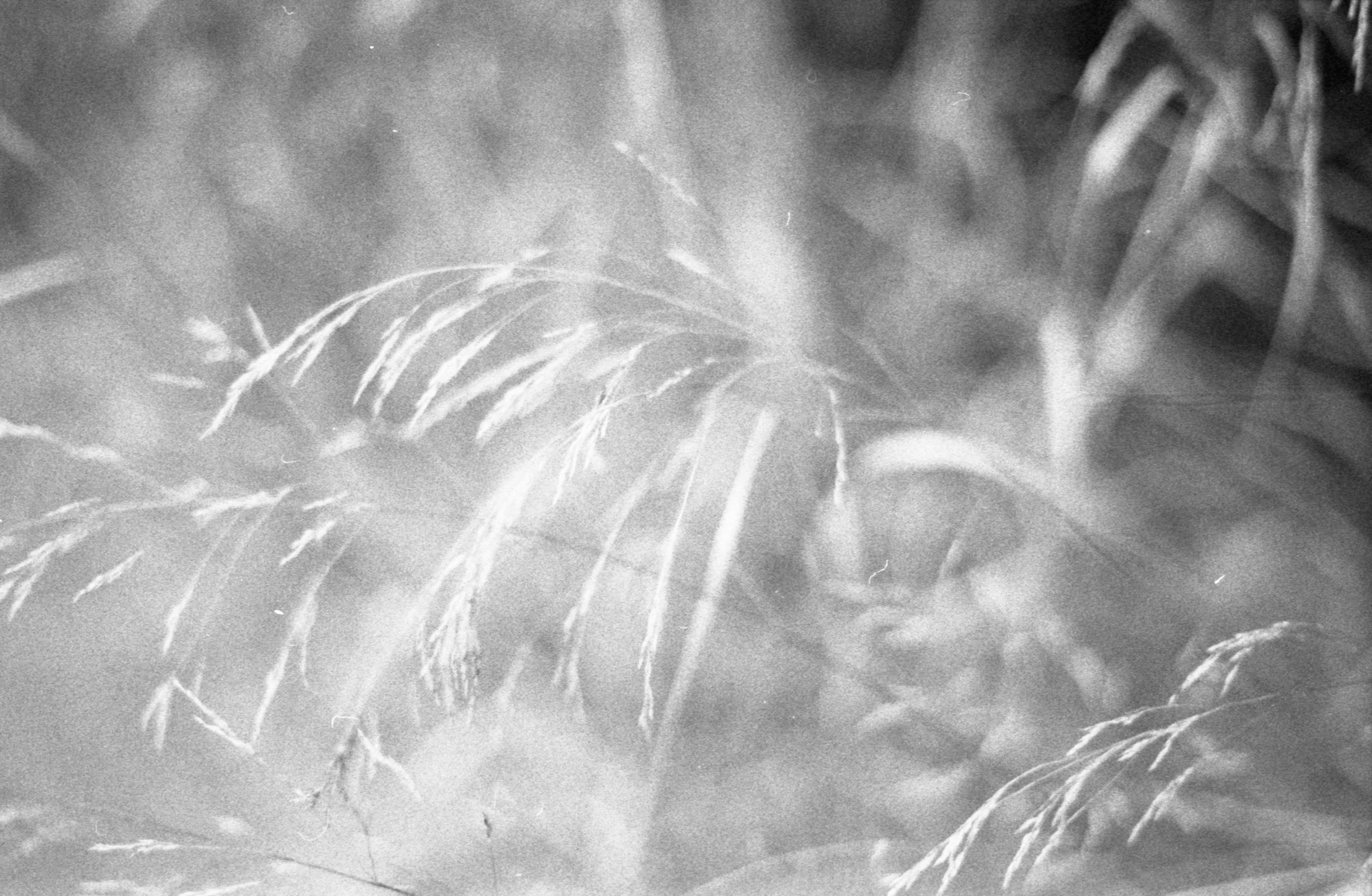
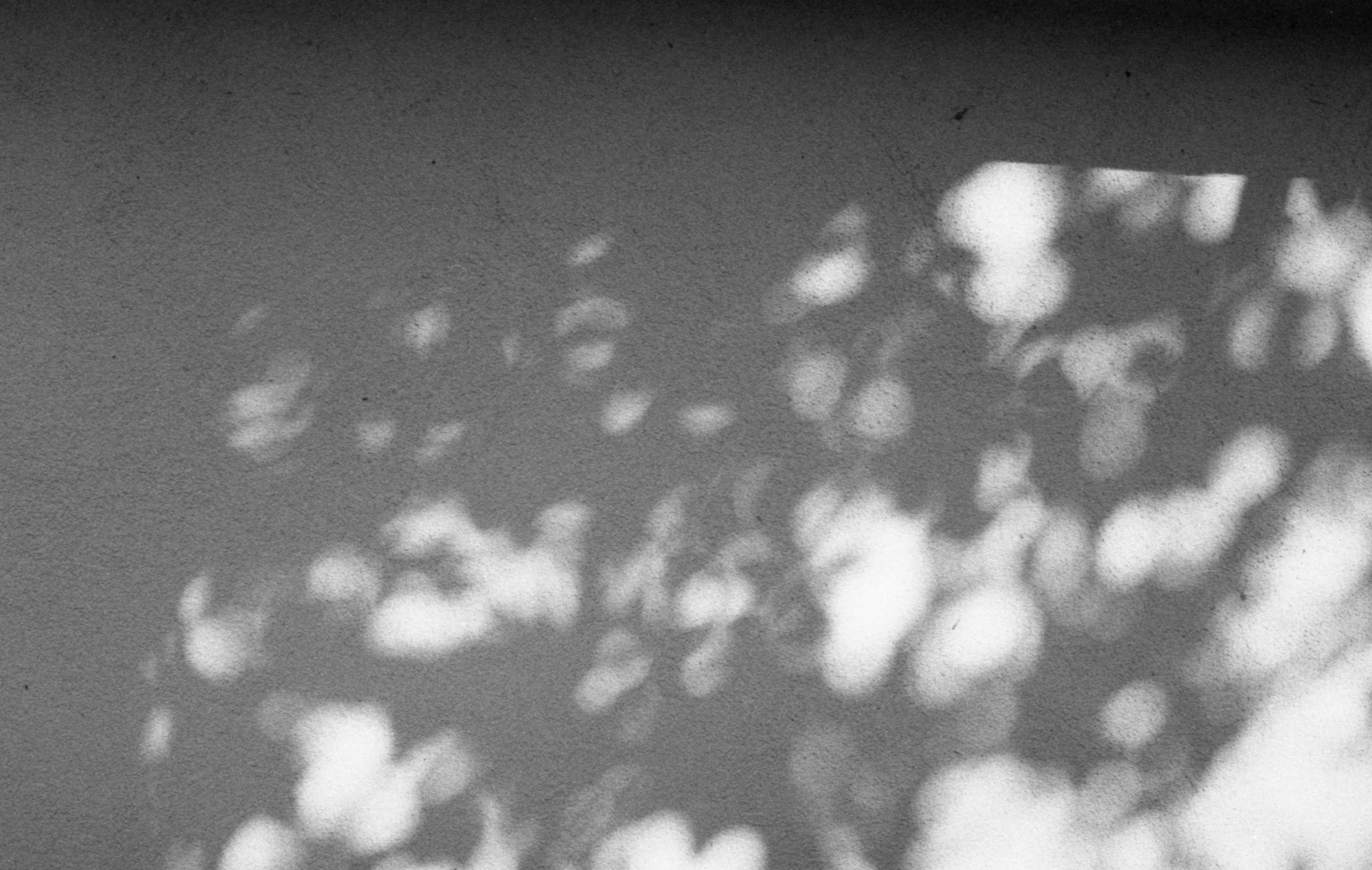
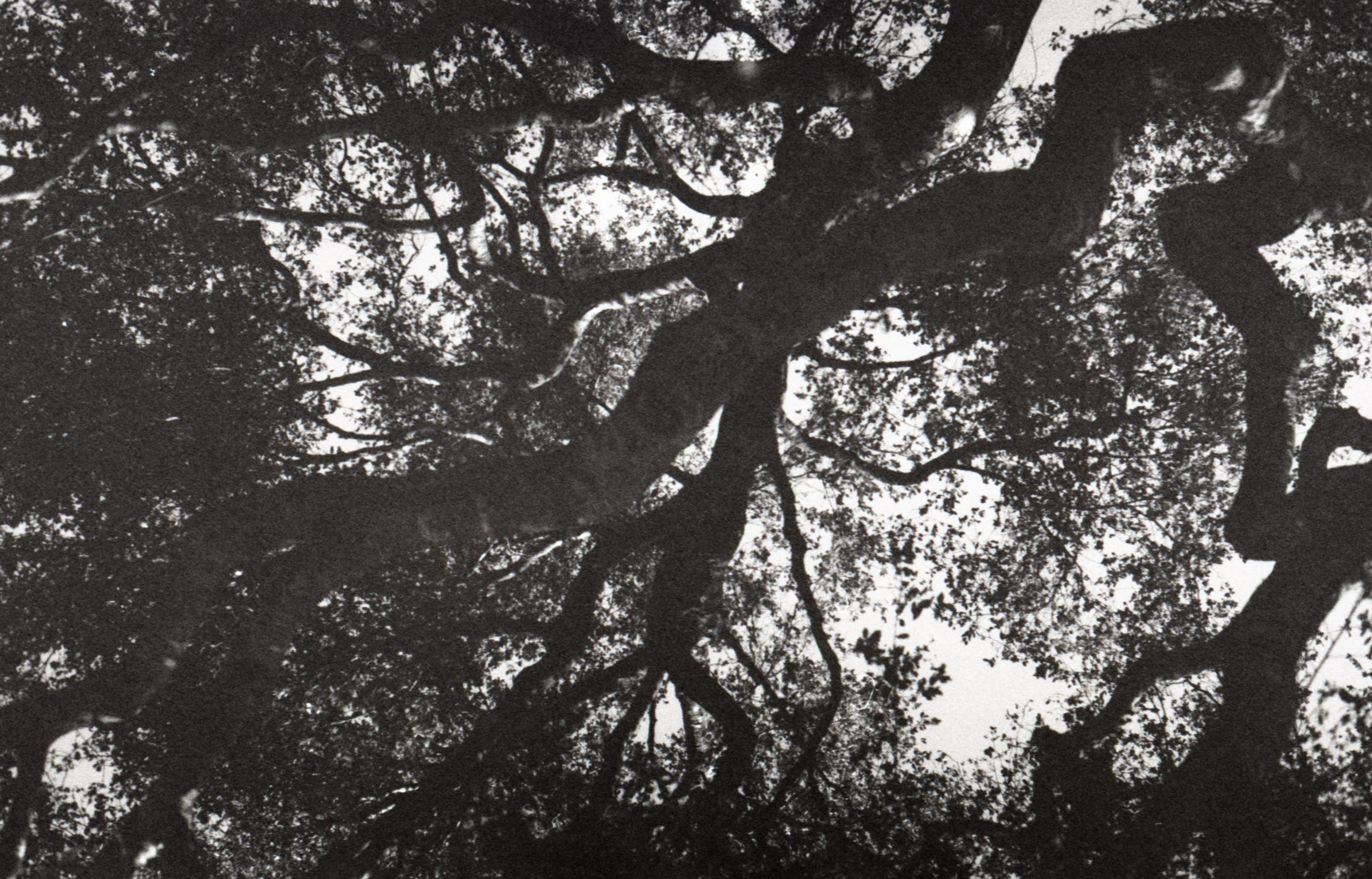
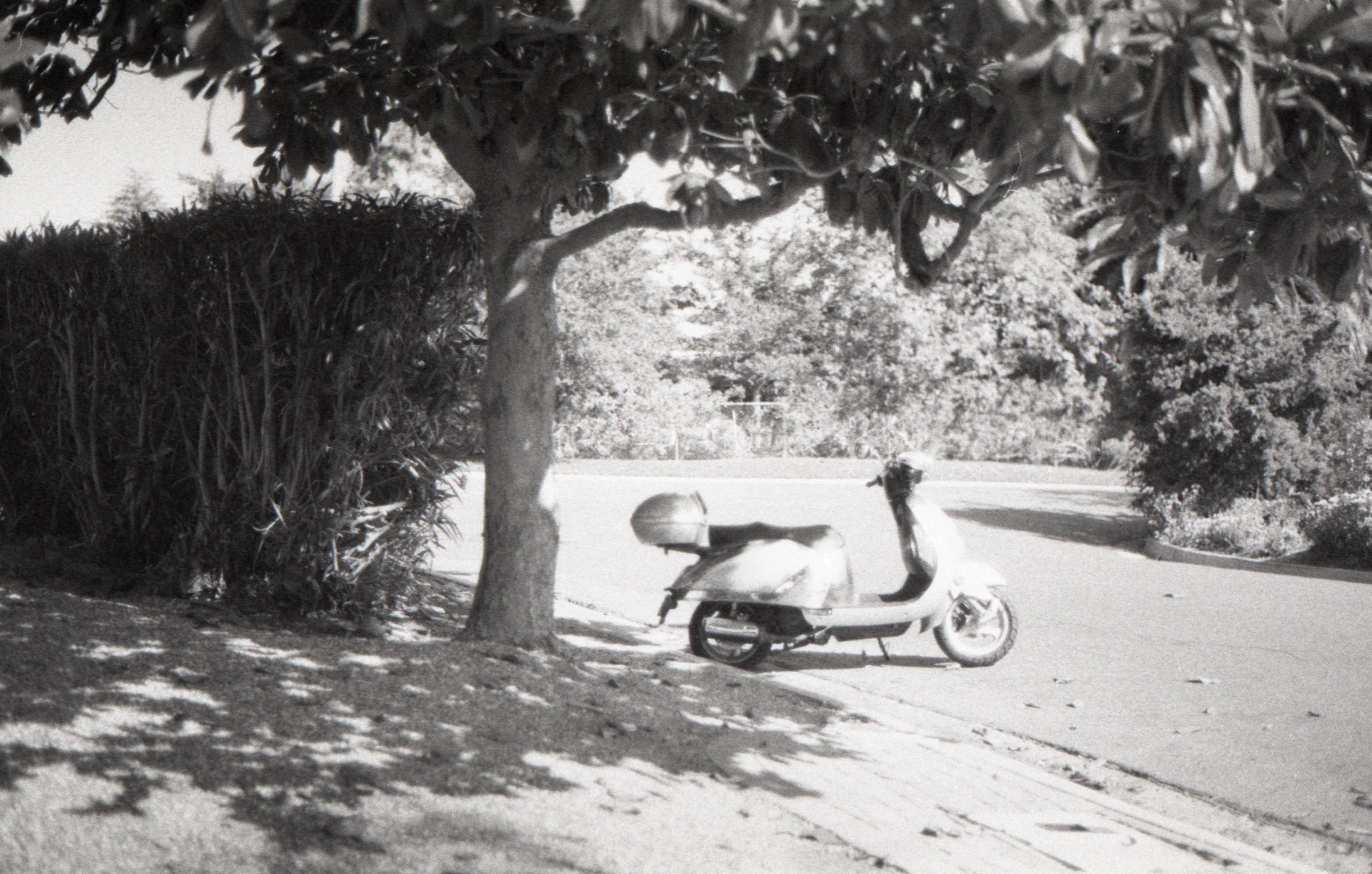
At the bottom of a box full of old memorabilia, for example, I find a roll of 35mm film, lost among the fading admission tickets, boarding passes folded in thirds, greeting cards in torn envelopes, well-worn IDs from former places of employment. I send the roll to the lab along with the other film to be developed, just to see what’s inside. It happens to be a black-and-white film, Kodak Tri-X that I don’t remember using, taken with a Canon AE-1 that I don’t remember ever working properly. I doubt myself. Did I really take this roll? The pictures inside are at least 10 years old at the time of their development, taken back when I was still living in Santa Barbara. I lose the room for doubt, for the mirror selfies and seemingly unchanging taste in framing show my hand.
I call this the lost year, the limbo of 2011.
In the garage, where we store things with uncertain futures, there is a bright yellow box that originally contained paint cans. Along with two others, the yellow box now contains part of my sister’s life that she had shared with a beau who’s no longer around, forgotten in that corner next to the water heater, and for the last few years have been abandoned to fend for itself, festering like things left unsaid. During a non-routine spring cleaning that often strikes me with the similar tenacity as the most random and crippling of spasms, I finally tackle the boxes. I unapologetically hurl off their stuffed animals and old wardrobe and YA books to donation, then discovering, to my surprise, two formerly lost books: my 2008 Puffin Classics edition of Alice in Wonderland with the original John Tenniel illustrations, and my flood-damaged Oxford French dictionary that was gifted by my dad when I was young and pretentious. Their “lostness” is an odd state for me, for I have never thought them lost, only that they have ceased to be, having fallen off the plane of time without my realization of both their prior existence and current nonexistence. How many objects have been lost in this way, I wonder? In the box I also find my full set of A Song of Ice and Fire with all the five books, which in my donating and library-cleaning sprees of the past I haven’t been able to successfully recall what I had done with. However, the first two books — Alice and the dictionary — are prolly some of my most beloved rediscoveries, for they now make up a part of the dwindling collection of books that I had owned from back when I was still living in the Philippines. Which makes the collection, at the minimum, 15 years old. Nothing impresses one’s age more than putting it in such numbers.
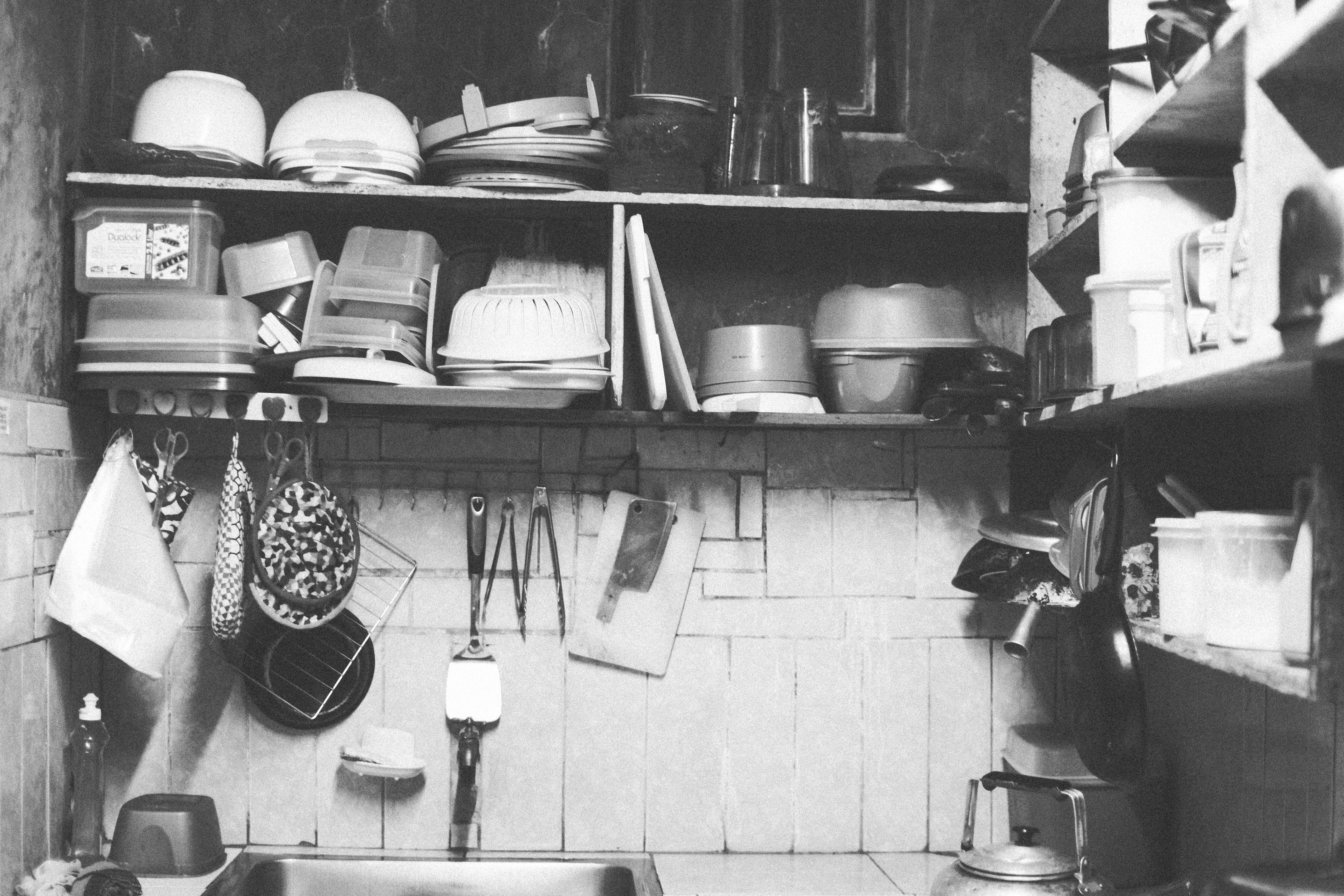
I do often wonder about our old house in the Philippines. I can picture the street corner exactly, the cement façade of the two-story single residence that never got to be painted, the rust on the balcony railings. It’s been sold years ago, lost to a new person who profits from such things, so I feel my dislocation much deeper than most immigrants do. I no longer have a childhood home to return to, where lost things can still be found, where hoarded “period pieces” — old film cameras, VHS tapes, encyclopedia sets, out-of-print books — can be dredged out. Our furniture and the front door were made of slabs of solid fucking wood, and I stress it in this way because it’s uncommon if not rare, in these days and in this country, to own a whole fucking tree (probably). Behold mass production and its sacrificial lamb of quality and workmanship. There is no more of the kind of furniture that we had, like the armoire so antiquated it carried the feeling of a Narnia trasport service, or the unupholstered living room settees with the floral engravings of a throne.
But I mustn’t look at the past too rosily. The farther the years get, the more unreliable my recollections become, but I can still strive to be realistic. Because I remember like how Taylor Swift remembers — all too well — that that house floods every monsoon season like clockwork; that the settees were as uncomfortable as a church pew, and in the humid summers the sweat on our bare thighs stuck fast to the seat, else slid across the polished surface if by chance we were lengthily clothed; the armoire was peeling and water-logged in most places and every few years or so we’d find a little wasp nest in an interior corner. The roof on the second floor was caving in, its wooden beams and plywood ceiling soaked by years of rain and leaking roofs and feasted on by termites. That house was my mother’s project, venture, and loss, and the cockroaches had wings in that house.
I still know how to go home; I can picture the way in my mind’s eye. I can still see the street corner where the house stands like a humbled giant, despondent when it used to lord over the whole baranggay before they kept raising the level of the street. I can still see the tricycle queue across from the gate, the public school that we were absolutely not allowed to venture into and which always had been rumored to be haunted. With these solid clues, I will recognize it anywhere, and someday I might “find” my childhood home again. I would know how, for certain, even though I wouldn’t know what for.
 TINY WORRIES